Navigating Cancer: Essential Insights on Treatment Options and Patient Support
When faced with a cancer diagnosis, the world can feel overwhelming. It’s a whirlwind of emotions, questions, and decisions. The journey through cancer treatment is often filled with uncertainty, but one thing holds true: knowledge is power. By understanding the treatment options available and how to navigate the healthcare system, patients can actively participate in their journey toward wellness. What if you could turn fear into empowerment? This deep dive into cancer treatment choices is designed to guide you through the maze of oncology and support you in becoming your own best advocate.
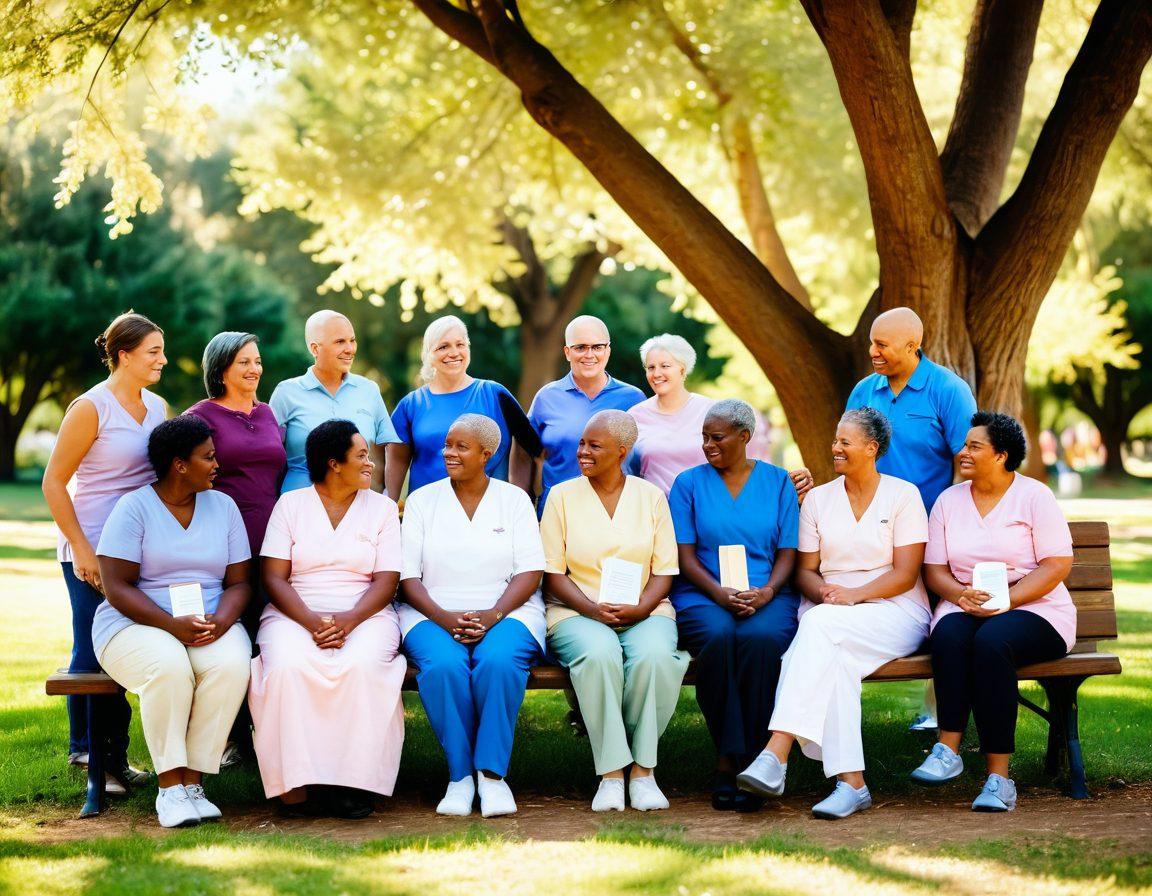
Facing a malignancy, whether it’s carcinoma or another form of tumor, can be daunting. It's natural to feel lost, but remember, you are not alone. Support groups are a golden resource, offering camaraderie and shared wisdom from those who’ve walked similar paths. They can be a source of strength, reminding you that there is a community standing by your side, willing to share compassion and health information that can empower your treatment journey. Think of the stories shared within these groups – each one, a testament to resilience and hope.
Cancer treatment has evolved significantly, and today’s patients have a variety of treatment options at their disposal. From chemotherapy and radiation therapy to cutting-edge clinical trials exploring new therapies, the landscape is rich with possibilities. It’s vital to understand these options and their potential impacts on your health. For instance, what if a specific medication could target your tumor more effectively while reducing side effects? This is where patient education comes in, allowing you to ask informed questions and participate actively in your care plan.
Additionally, palliative care, often misunderstood as a last resort, is actually a holistic approach that can enhance the quality of life during treatment, embracing the principles of wellness. It’s about living well, not just prolonging life, which is something every patient deserves. How can we redefine survivorship to include thriving rather than just surviving? This shift in perspective is crucial and can inspire hope, steering patients toward a more fulfilling journey, even amidst challenges.
Finally, cancer awareness and research continue to evolve. By engaging with the latest findings and connecting with your healthcare providers, you can play a role in your treatment. Ask about ongoing clinical trials and emerging therapies that may benefit your specific diagnosis. Your journey is unique, and your treatment should be too. Be bold in your quest for information, and don’t hesitate to advocate for yourself. Remember, you are not just a patient; you are a partner in your healthcare journey. The path may be filled with uncertainty, but with knowledge and support, hope shines brighter than fear.
From Diagnosis to Survivorship: Your Journey through Oncology
Navigating the world of oncology can feel like standing at the edge of an uncharted ocean. Each wave symbolizes a new piece of health information or treatment option that can either lift you or pull you under. From the moment of diagnosis, when the word 'carcinoma' echoes in the doctor's office, to your journey toward survivorship, the path can feel overwhelming. But remember, you're not alone. There’s a vast network of patient support and knowledge waiting to help you sail through this tumultuous time. After all, each story of survival is a beacon of hope, reminding others that there is light beyond the diagnosis.
Have you ever felt lost in a sea of medical jargon? It's no wonder; oncology is filled with terms like 'tumor', 'malignancy', and treatment options such as chemotherapy and radiation therapy. Our first instinct might be to retreat, but gaining clarity can empower you. The key is to embrace patient education. Understanding your condition is crucial. Ask questions during your doctors' visits, seek out reliable health information, and remember that knowledge is your ally in this fight against cancer. As Maya Angelou once said, 'Nothing will work unless you do.'
One of the most crucial aspects of your journey is exploring various treatment options. From the initial diagnosis to the recommendation for clinical trials, each choice can feel like standing at a crossroads. The decision-making process is deeply personal and involves weighing the benefits of potential therapies against side effects. Palliative care is also an important element to consider, as it emphasizes the importance of wellness and quality of life. Engaging in discussions with your healthcare team can shed light on potential paths forward. So, what are the specific options available to you, and how can you ensure you choose the right one?
Another powerful resource during this journey is the community of survivors and support groups. Connecting with others who have walked this path provides comfort and understanding. Imagine sharing your fears, triumphs, and experiences with people who truly get it. Forming these connections enhances your health and wellness, cultivating resilience and hope. A quote by Helen Keller rings true here: 'Alone we can do so little; together we can do so much.' So, seek out local cancer awareness programs or engage with online forums dedicated to patient support. You might find friendships that last a lifetime.
As you navigate your way from diagnosis to survivorship, remember that each step you take is valuable. The journey through oncology isn't merely about battling cancer—it's about learning, growing, and transforming through adversity. Consider celebrating small victories along the way, whether that's finishing a round of chemotherapy or simply feeling a bit better each day. Your experience is unique, and by sharing your story, you can inspire others to embrace their journey too. So, how will your story contribute to the larger narrative of cancer awareness and patient support? Together, let’s create a tapestry of hope, strength, and unwavering determination.
Building a Supportive Community: Resources for Cancer Patients and Families
Building a supportive community for cancer patients and their families is not just a noble cause; it's a vital necessity. When a loved one is diagnosed with a malignancy, turmoil often sweeps through their world and the lives of those around them. Questions swirl: What are the best treatment options? How can we navigate the complicated healthcare system? What resources are available to support us on this journey? As the dust of diagnosis settles, it becomes clear that fostering a network of support can alleviate burdens and create pathways to wellness and hope.
In the landscape of oncology, information is power. Armed with knowledge about the specifics of the tumor type—be it carcinoma, lymphoma, or another form of cancer—families can advocate more effectively for their loved ones. Engaging with health information becomes crucial. Are you aware of the local support groups? How about patient education programs providing insights into chemotherapy or radiation therapy? Armed with questions and resources from medical blogs detailing cancer research advancements, you can become an advocate for the best possible treatment options.
Everybody loves a good story, and within the cancer community, many remarkable stories of resilience and transformation exist. For instance, patients who participate in clinical trials often find themselves at the forefront of innovation. Met with both apprehension and hope, these individuals bravely share their journeys, illuminating the path for those who might follow. As one survivor beautifully put it, "Every setback is a setup for a comeback." These stories not only inspire others but also foster a connection that can ease the feelings of isolation many experience during treatment and throughout their journey of survivorship.
Support groups serve as a lifeline, connecting patients and families to others who understand their challenges. Whether it’s a virtual gathering or an in-person meeting, discussing shared experiences can cultivate a sense of community that is invaluable. It's about knowing that you're not alone, that others are walking a similar path. Engaging in these groups can lift spirits and provide insights that may not be found in traditional healthcare settings, leading the way to improving emotional and mental wellness while navigating the complexities of palliative care options.
Lastly, as we work towards cancer awareness and champion advocacy, let’s remember that building a supportive community is an ongoing effort. Attend health seminars, participate in local cancer walks, and connect with resources available through hospitals and non-profit organizations. By doing so, not only do we uplift our loved ones facing cancer, but we also contribute to a larger movement focused on education, research, and ultimately, a world where no one has to face cancer alone. So, what steps can you take today to become part of this crucial network of support?